
Overview
Lung cancer screening with low-dose CT (LDCT) is one of the most powerful tools we have to detect lung cancer early—before symptoms appear and when treatment outcomes are significantly better. Yet, despite strong evidence and national recommendations, lung cancer screening remains widely underused.
This guide explains who qualifies, how screening works, benefits and risks, and why early detection matters, especially for current and former smokers.
What Is Lung Cancer Screening?
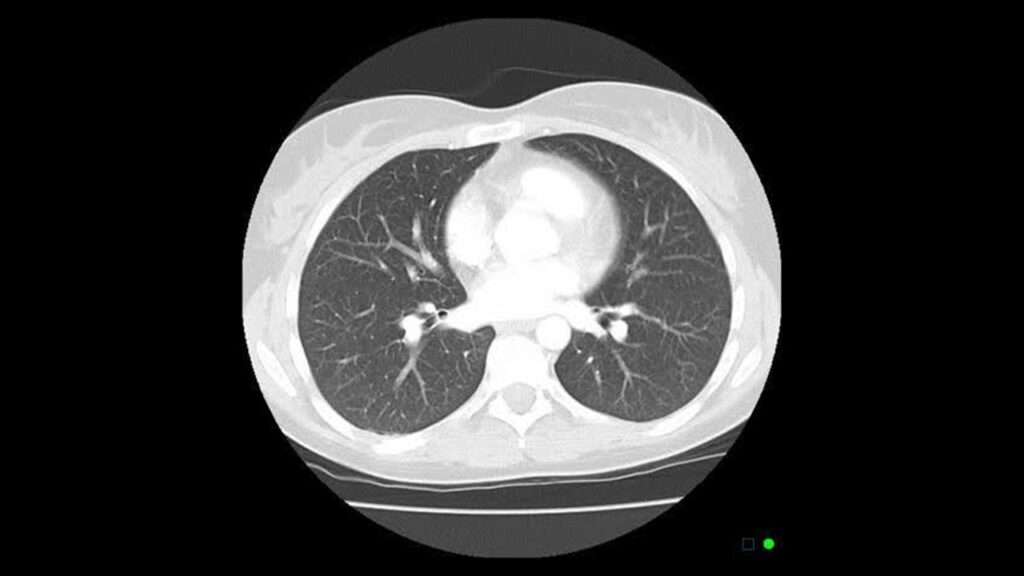
Lung cancer screening uses a low-dose computed tomography (LDCT) scan to look for early signs of lung cancer in people at high risk. Unlike a chest X-ray, LDCT can detect small lung nodules that may represent early cancer, often years before symptoms develop.
Key features of LDCT screening:
- Non-invasive
- No needles or contrast dye
- Takes less than 5 minutes
- Uses significantly lower radiation than a standard CT scan
Why Lung Cancer Screening Is Important
Lung cancer is the leading cause of cancer-related death worldwide. The main reason is delayed diagnosis—most cases are discovered only after symptoms such as cough, weight loss, chest pain, or shortness of breath appear.
By contrast:
- Early-stage lung cancer has dramatically higher survival rates
- LDCT screening can reduce lung cancer mortality by 20–25%
- Screening shifts diagnosis from late-stage to curable stages
- Early detection changes the entire trajectory of the disease.
Who Qualifies for Lung Cancer Screening?
According to guidelines from the U.S. Preventive Services Task Force, lung cancer screening is recommended for adults who meet all of the following criteria:
Eligibility Criteria
- Age 50–80
- Current smoker or former smoker who quit within the last 15 years
- 20 pack-year smoking history or more
What is a pack-year?
- 1 pack/day for 20 years = 20 pack-years
- 2 packs/day for 10 years = 20 pack-years
If you’re unsure whether you qualify, a brief medical review can clarify eligibility.
Do Former Smokers Still Need Screening?
Yes. Many people assume that quitting smoking eliminates lung cancer risk. While quitting significantly lowers risk over time, former smokers remain at elevated risk for many years.
This is why screening recommendations include people who quit up to 15 years ago.
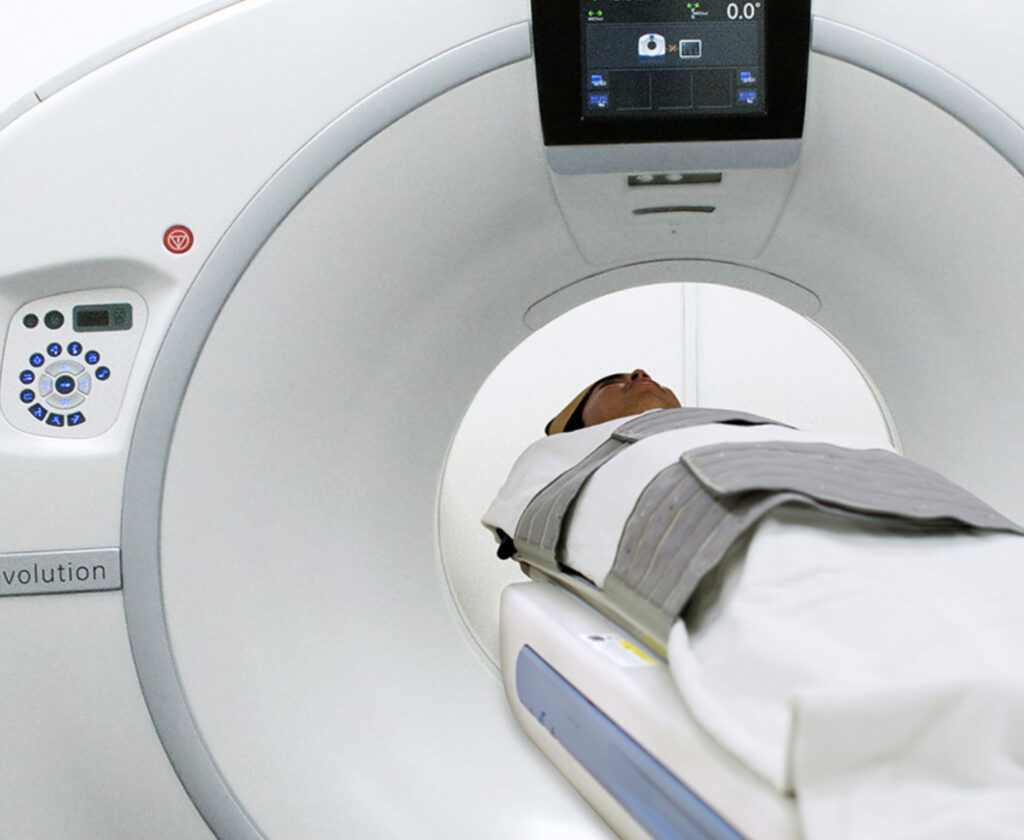
What Happens During a Low-Dose CT Scan?
The process is simple:
- You lie flat on a CT table
- You hold your breath briefly (about 5–10 seconds)
- The scanner takes detailed images of your lungs
- You’re done—no recovery time needed
There is no pain, no sedation, and no downtime afterward.
Understanding the Results
Most lung cancer screening scans do not show cancer.
Common outcomes:
- Normal scan → Continue annual screening
- Small lung nodule → Monitor with repeat imaging
- Suspicious finding → Additional testing or referral
- The majority of lung nodules detected are benign, often related to old infections or inflammation.
The benefit of screening is early awareness and controlled follow-up, rather than emergency diagnosis.
Is Low-Dose CT Radiation Safe?
Yes. LDCT uses minimal radiation, roughly equivalent to a few months of natural background exposure.
For high-risk individuals, the benefit of early detection far outweighs the small radiation risk.
Risks and Limitations of Lung Cancer Screening
While screening is highly beneficial, it’s important to understand limitations:
- False positives can occur
- Some nodules require follow-up imaging
- Screening does not detect all cancers
- It does not replace smoking cessation
A proper screening program includes clear communication and evidence-based follow-up, minimizing unnecessary anxiety or procedures.
Lung Cancer Screening vs Chest X-Ray
Chest X-rays are not recommended for lung cancer screening.
Why?
- They miss early cancers
- Studies show no mortality benefit
- LDCT is far superior in detecting small, early lesions
Screening Is Not a Substitute for Quitting Smoking
Smoking cessation remains the single most effective way to reduce lung cancer risk. Screening works best when combined with:
- Smoking cessation counseling
- Long-term follow-up
- Preventive lung care
Our Philosophy at Breathe 360
At Breathe 360, lung cancer screening is part of a comprehensive lung health strategy, not just an isolated test.
We emphasize:
- Appropriate eligibility screening
- Thoughtful interpretation of results
- Evidence-based follow-up plans
- Smoking cessation support when needed
- Patient education and shared decision-making
Our goal is early detection, clarity, and continuity of care.
Should You Get Screened?
If you:
- Are between 50 and 80 years old
- Have a current or past smoking history
- Are unsure whether you qualify
A short consultation can determine whether lung cancer screening is appropriate for you.
Frequently Asked Questions
Is lung cancer screening covered by insurance?
Most insurance plans, including Medicare, cover LDCT screening for eligible patients.
How often should lung cancer screening be done?
Annually, as long as eligibility criteria are met.
Can non-smokers get lung cancer?
Yes—but routine screening is currently recommended only for high-risk individuals due to smoking history.
Is lung cancer screening the same as a chest X-ray?
No. Chest X-rays are not effective for lung cancer screening.
- They miss early cancers
- They do not reduce lung cancer deaths
Low-dose CT scans are far more sensitive and are the recommended screening test.
Is low-dose CT radiation safe?
Yes. LDCT uses very low radiation, roughly equivalent to a few months of natural background exposure. For eligible patients, the benefit of early detection greatly outweighs the risk.
How long does a low-dose CT scan take?
The scan itself takes less than 5 minutes.
- No needles
- No contrast dye
- No sedation
- No recovery time
You can return to normal activities immediately afterward.
How often should lung cancer screening be done?
If you qualify, screening is typically done once per year as long as you remain eligible and in good health.
What happens if a lung nodule is found?
Most lung nodules found on screening CT scans are not cancer.
- Possible next steps include:
- Repeat imaging to monitor changes
- Further testing if a nodule looks suspicious
- Referral to a specialist if needed
The advantage is early, controlled follow-up, not emergency diagnosis.